Building Your Own Deck: Essential Tips for the Ambitious Homeowner
The DIY Deck Building Guide offers practical insights for homeowners seeking to improve their exterior living areas. It stresses the critical role of design, location, and material choices. Each step in the building process is essential for achieving a practical and visually appealing deck. Yet, many fail to recognize typical obstacles that may emerge during construction. Being aware of these issues can play a major role in the overall success of the build. What key elements should homeowners review before getting started?
Picking the Perfect Location for Your Deck
When selecting the perfect location for a deck, which factors deserve attention? Starting with the basics, the solar exposure plays an important role. A southern exposure can provide ample sunlight, great for leisure, while a northern exposure might offer more shade. Additionally, assessing the landscape is essential; a flat area makes building easier and improves stability. Closeness to the home is another key consideration, as it enables convenient entry and frequent enjoyment. Moreover, municipal zoning codes and lot boundaries must be examined to ensure adherence.
Landscaping elements, such as shrubs and trees, can offer privacy and visual appeal but may also require maintenance. Lastly, thinking about the primary purpose of the deck—whether for entertaining, dining, or relaxing—will affect where it is placed. By carefully examining these factors, homeowners can choose a location that maximizes enjoyment and functionality.
How to Develop an Effective Deck Design Plan
A comprehensive deck design plan is crucial for ensuring that the finished product meets both functional and aesthetic needs. Property owners should start by assessing their everyday needs, such as the planned functions of the deck—whether for entertaining, relaxation, or outdoor dining. It's essential to reflect on the size and shape of the deck in relation to the usable outdoor space, making sure it harmonizes with the current architecture and surroundings.
Next, homebuilders should sketch a layout that integrates features like sitting spaces, railings, and built-in planters. This blueprint should reflect ease of movement and accessibility, permitting effortless navigation. Additionally, residents are required to take into account alignment with local building codes and regulations.
Ultimately,including visual features like color schemes, construction materials, and light fixtures will improve the visual appeal. By thoughtfully blending functionality with visual elements, a comprehensive deck design plan can substantially improve outdoor lifestyle experiences.
Essential Materials for Deck Building
Choosing the right materials is a crucial step in the deck construction process, after the detailed design plan developed earlier. Homebuilders must explore numerous options, including plastic, wood, and composite materials. Pressure-treated wood is still a widely preferred choice due to its durability and affordability. Nevertheless, it needs routine upkeep to avoid decay.
Composite decking presents a low-upkeep option, combining wood fibers and plastic, though it may come at a higher initial cost. For homeowners desiring a more organic look, natural hardwoods including teak or ipe provide exceptional longevity and beauty but require careful handling and treatment.
Alongside decking boards, necessary materials encompass robust posts, beams, and joists, which constitute the deck's structural support. Hardware, including screws and brackets, should be selected according to material compatibility to ensure stability. Moreover, railings and balusters boost safety while introducing character to the deck's overall design.
Deck Building: Step-by-Step Instructions
During the process of building a deck, understanding the necessary materials is essential for success. A well-defined step-by-step method will lead individuals through every stage of the building process, guaranteeing a sturdy and secure structure. Moreover, it is important to prioritize safety precautions in order to protect all those involved in the construction process.
Supplies You'll Need
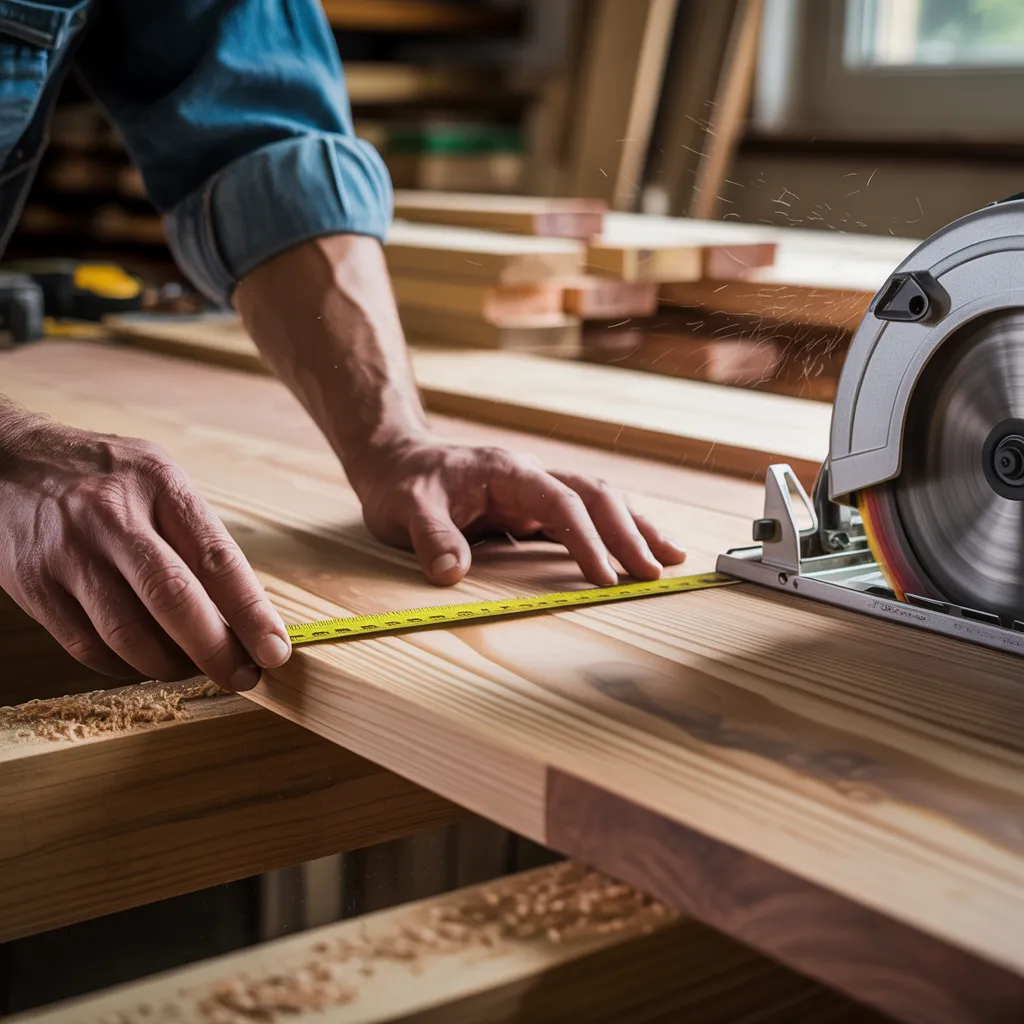
Constructing a deck demands thoughtful evaluation of the supplies needed to guarantee strength and beauty. Homebuilders should begin with sourcing top-grade timber, such as composite materials, cedar, or pressure-treated wood, which provide resistance to decay and insects. Connectors and fasteners, including corrosion-resistant screws and brackets, are critical for overall stability. A protective stain or sealant will shield the lumber from water and sun exposure, extending its lifespan. Moreover, property owners will need support posts and concrete footings, providing a stable base. Protective gear, including goggles and gloves, is vital for protecting oneself during construction. Finally, equipment such as a circular saw, level, and drill will streamline the construction process, making it faster and more accurate.
Step-by-Step Procedure
Once you have collected all required supplies, the next stage consists of implementing a structured method for deck construction. The workflow commences with defining the perimeter by means of stakes and string to establish the deck's boundaries. Subsequently, the footings are dug out and concrete is placed to establish a stable foundation. Once the footings cure, the copyright board is attached to the house. After this step, the framing is built, employing joists placed at consistent intervals for structural integrity. The decking boards are then installed transverse to the joists, anchored securely. Railing posts are positioned at designated locations, accompanied by the railing assembly for both safety and visual appeal. Lastly, any finishing touches, such as the application of stain or sealant, are incorporated to enhance durability and appearance.
Required Safety Precautions
Prior to beginning deck construction, it is vital to make safety a priority to minimize the risk of accidents and injuries. Homeowners need to arm themselves with appropriate personal protective equipment (PPE), including safety goggles, work gloves, and solid footwear. In addition, making the work area secure is essential; this may involve using barriers to ensure children and pets are kept out of the construction zone. Safe ladder use is of utmost importance, along with making sure it is secure and properly placed. Homeowners should also remain conscious of their environment, particularly overhead power lines. As well, storing tools in an orderly and well-maintained manner can reduce the chance of mishaps. Lastly, familiarizing oneself with the materials and their proper handling will improve safety during the deck building process, leading to a successful and secure outcome.
Common Mistakes to Avoid When Building Your Deck?
Avoiding common pitfalls is vital for a successful deck-building undertaking. One critical oversight is not verifying local building codes and zoning regulations, which can lead to expensive penalties or mandatory changes. Moreover, overlooking the importance of proper drainage can result in pooling water that harms both the deck and adjacent spaces. Yet another pitfall is the use of inferior materials; this can undermine the deck's durability and long-term stability.
Insufficient support presents another serious concern; placing too much weight on the deck or failing to use enough joists may create dangerous conditions. Many homeowners tend to neglect the necessity of accurate measurements, leading to uneven surfaces or components that are not properly aligned. Ultimately, rushing the project can lead to shortcuts that undermine quality. By avoiding these mistakes, homeowners can guarantee a safer, more durable deck that enhances their outdoor space.
How to Maintain Your Deck for Longevity
Upkeeping a deck demands a systematic approach to secure its durability. Developing a consistent cleaning plan and carrying out seasonal inspections can significantly boost the durability of the installation. These measures work to uncovering potential concerns at an early stage and maintain the deck in top shape.
Routine Cleaning Schedule
A regular cleaning regimen is vital for preserving the integrity and appearance of a deck over time. Deck owners should strive to clean their decks at least twice annually, ideally in the spring and autumn. This schedule helps remove dirt, debris, and mold that can accumulate and lead to damage. Using a leaf blower or broom to clear loose debris is a simple first step. For deeper cleaning, a combination of water and mild detergent can be worked in with a soft-bristle brush, followed by complete rinsing. Extra care should be given to areas around furniture and railings, where accumulation is more likely. Regular cleaning not only enhances the deck's aesthetic but also significantly prolongs its lifespan.
Seasonal Maintenance Guidelines
After establishing a consistent maintenance routine, homeowners should prioritize find details about routine seasonal assessments to confirm the deck stays in optimal shape. As spring arrives, it is important to look for damage caused by winter, which may include loose boards and cracked railings. Summer inspections focus on assessing the condition of the wood and ensuring that fasteners are secure. In autumn, it is advisable to clear away debris while checking for mold or mildew growth, which can thrive in damp conditions. Lastly, winter checks should address the buildup of snow and ice, since these elements can place stress on the structure. Regularly applying sealants and stains during inspections offers enhanced defense against environmental factors. By adhering to these seasonal recommendations, homeowners are able to maximize the longevity of their deck and copyright its overall appearance.

Commonly Asked Questions
Do I Need a Building Permit for a Deck?
Whether a permit is needed for building a deck varies based on local regulations. Generally, homeowners should contact their local building department to understand specific requirements and guarantee compliance with local zoning laws and safety requirements.
What Should I Look for When Choosing a Deck Contractor?
To select the ideal contractor for a deck, one should review qualifications, evaluate references, review estimates, guarantee proper credentials, and consider interpersonal skills. Reliability and expertise in deck building are crucial for a successful project.
What Is the Best Season for Deck Construction?
Early fall and spring are regarded as the ideal seasons for deck construction. Mild temperatures and low humidity encourage efficient project completion, while steering clear of harsh weather ensures proper material adhesion and strengthens the overall durability of the finished structure.
Is It Possible to Build a Deck on a Slope?
Certainly, a deck can be built on a slope. Nevertheless, careful planning and adequate structural support are necessary to secure structural integrity and safety. Approaches like post-and-beam construction or terracing may be required for successful outcomes.
What Is the Best Way to Budget for My Deck Project?
To budget for a deck project, one should account for materials, tools, labor, permits, and unforeseen expenses. Creating a detailed estimate and allocating a contingency fund will assist in controlling expenses effectively throughout the building process.